


In my thought leadership role in the UK chapter of the ICF, I get to speak to many coaches through the series and at the fantastic events that our local and special interest groups organise. And there is a constant at the top of the list of coaches: Where do you unearth the next clients from?
Once fresh out of their qualifications, coaches are ready to go and have much to offer, often after many years of complex study and a substantial financial outlay. Yet the qualifications don't automatically bring the clients. There starts the ungrateful journey of convincing people to jump into coaching. Coaches often aim to achieve this by establishing their voice in the market, engaging on LinkedIn, and diligently capturing their thoughts in regular blogs.
So, when we organised the Business Development Series, which started earlier in the year, we thought we would give a sense of the market, and I set up to stimulate ideas on how the coaching market was evolving. I work in business change and use a new(ish) technique for mapping strategies - called Wardley Maps. Maps are fantastic for capturing landscape dynamics. So, it was an excellent occasion to put those into practice.
As a starting point, I must remind everybody that you rarely market-make. We often have a misconception of strategy, inherited from seeing strategy as a power play. In the early mass-market dynamics, strategies were about power: Power to advertise and gain market share, power to scale across regions, power to produce en masse and keep costs in check.
Winning was about out-powering the competition. But in the last decade, we have seen many cases of David outsmarting Goliath, with startups growing exponentially and Corporations surrounding market share or margins. In times of change, like in the digital economy, being small and nimble helps the win. Could this help our independent coaches figure out their strategy?
As an independent, it is challenging to power-play. It is essential to realise that you fit into a market landscape. You win by playing where the market needs and demand align with your offering. It is like when playing chess; moves only make sense in the context of the board.
The following article is structured in three main sections:
It is worth noting that the following predominantly looks at one use-case of coaching in organisations, as it is one prime channel of coaching services. Other use cases would need to be mapped to view the overall landscape. You are welcome to map your particular landscape.
Please see Figure 1. A Wardley Map is arranged on two axes. The Y-axis maps the value chain arranged by visibility to the end-user with aspects more directly recognised by the end-user (e.g. services they directly interact with) high up and things that are more foundational lower down. Once the value chains are arranged in terms of visibility, the items are moved according to the X-axis based on their current evolutionary state.
Here, we are using a maturity scale of :
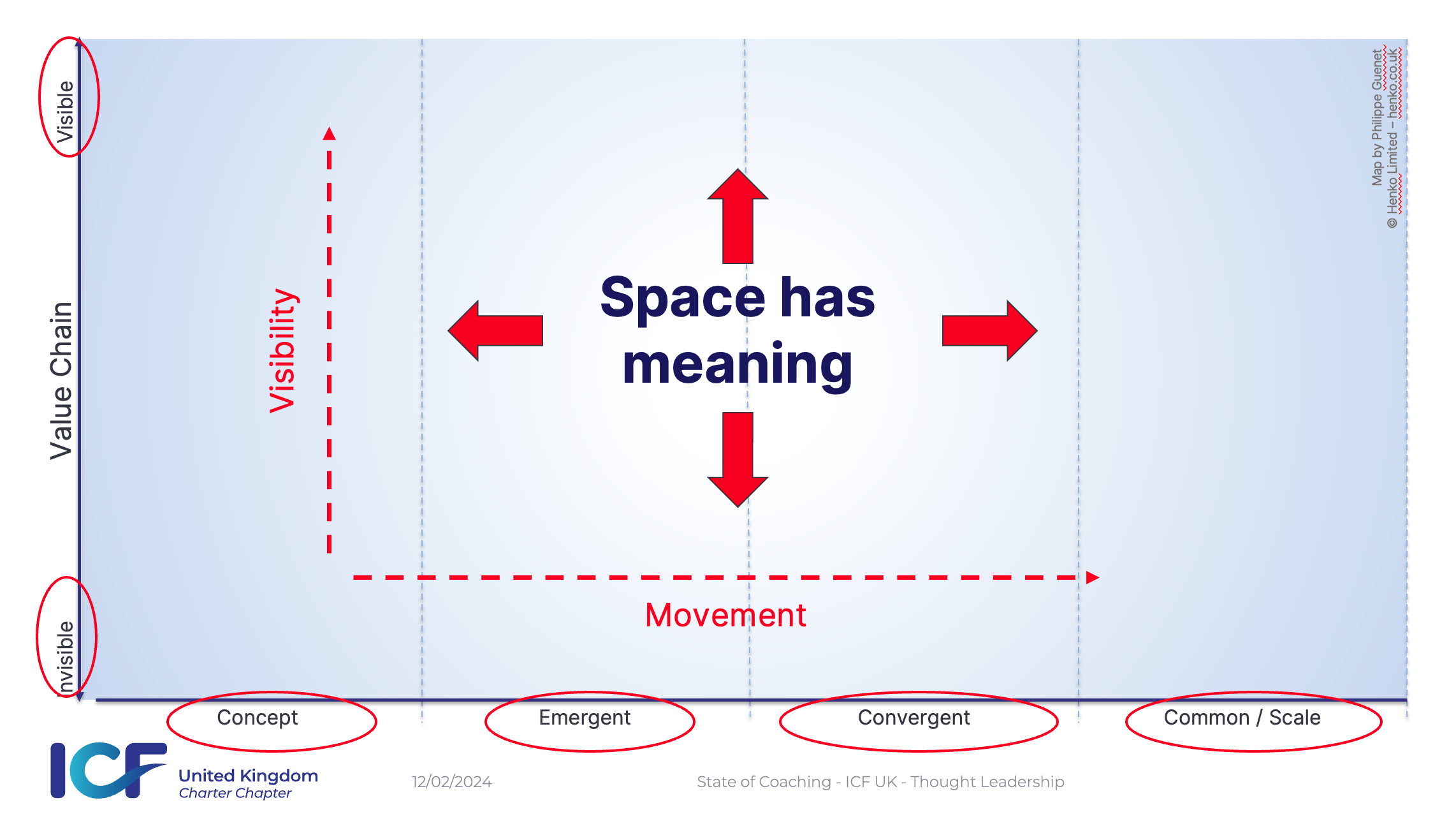
Figure 1 - The Landscape of a Wardley Map
Wardley Maps enable you to visualise the value chains. You can recognise where you play into your clients' value chains. You can also design the value chains that underpin your services (please see the Whitepaper on Strategy-for-Self referenced below). The parts of a value chain are connected and generally interdependent. Higher-order features tend to offer differentiation. Lower-level elements enable the upper parts.
Strategies are about the movements of the components. The nature of evolution is to move from the left to the right: Something novel naturally progresses to become a recognised practice and even a scalable standard if there is a market for it. The strategies consist of being quicker to scale when the market is ready. Evolution also happens from right to left. As something gets consolidated, it opens the space for new possibilities to emerge.
Figure 2 uses a simple example to help you understand a map. Many people tend to use the cup of tea, but as a Continental, I am a coffee drinker, and I find that example more demonstrative.
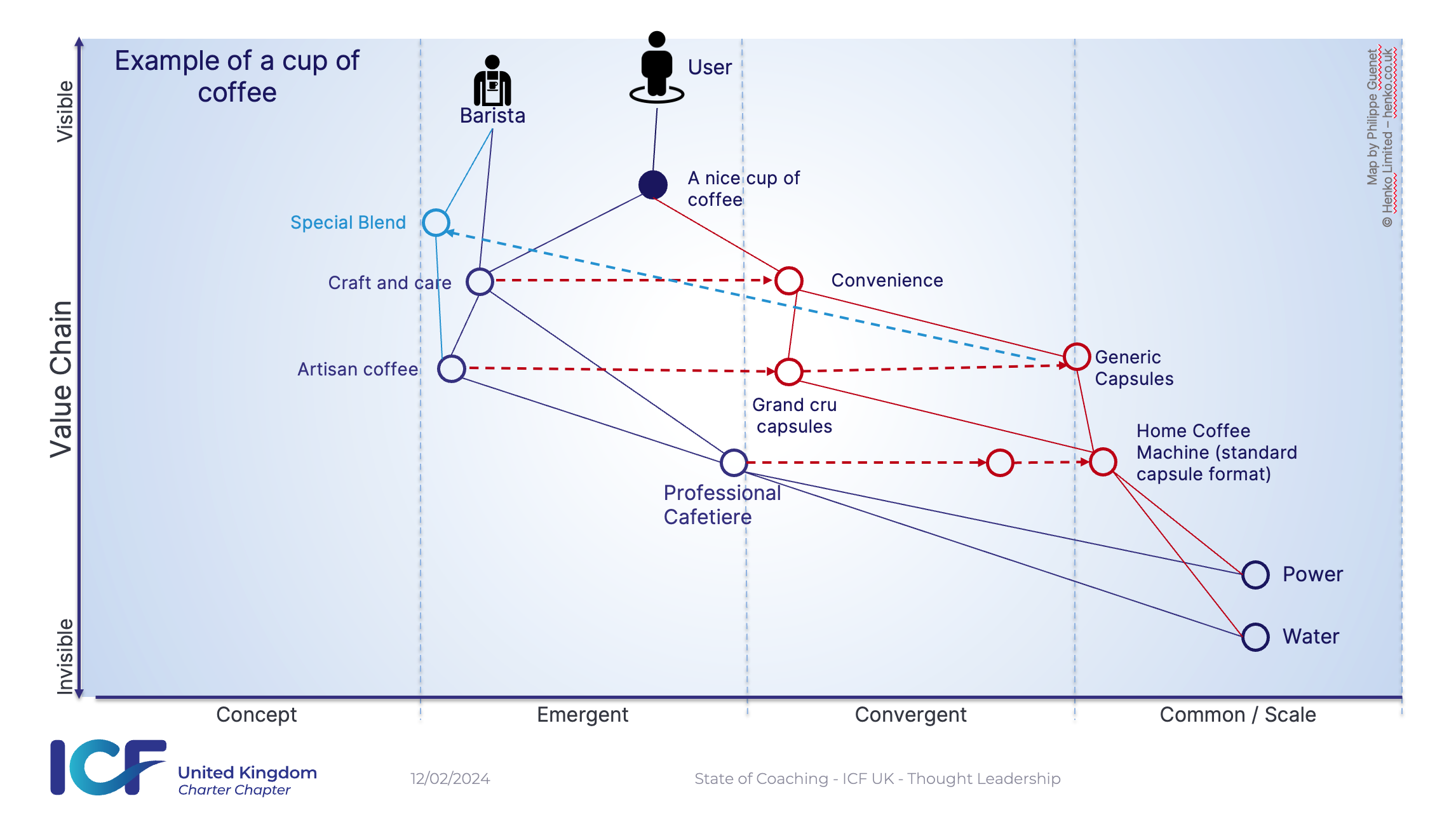
Figure 2 - Mapping a Cup of Coffee
Getting a nice coffee (following the dark blue lines):
As a coffee drinker, I like a nice cup of coffee. I like my cup of coffee made by a skilled Barista who will employ craft and care to make it. They will use their select blend of coffee and a professional cafetiere, which runs on the standard commodities of electricity power and water. You can follow the value chains and the maturity of the components. Here, there is differentiation in the craftmanship.
The strategic evolution (following the red lines):
I also would like a nice cup of coffee at home, and since the pandemic, I have been working considerably more from home. So, now convenience has become very important to me. I need a solution that I can operate at home. Nespresso made some machines that produce decent coffee from their capsules with different blends called "Grand Crus", like fine wines. Now, I can have a decent cup of coffee at home, and a "Convergent" offering is replacing the Barista.
Based on the success of this format, other providers have created generic machines, and coffee brands have started to offer their coffee in the same pod format. The market is commoditising, allowing it to scale.
New possibilities (following the pale blue lines):
With this market change, what happens to my skilful Barista? Are they now redundant? If they don't recognise this evolution, they will probably be indeed. They can go on more courses to become even more skilful, but it won't change matters.
However, if they follow the evolution, they may be able to offer their secret coffee blend in the generic format of the pods. That way, I can have a bit of that unique blend seven days a week. For the Barista, they can also scale thereon.
It is an elementary example, yet you can probably see metaphors starting to percolate if you replaced the Barista with a coach.
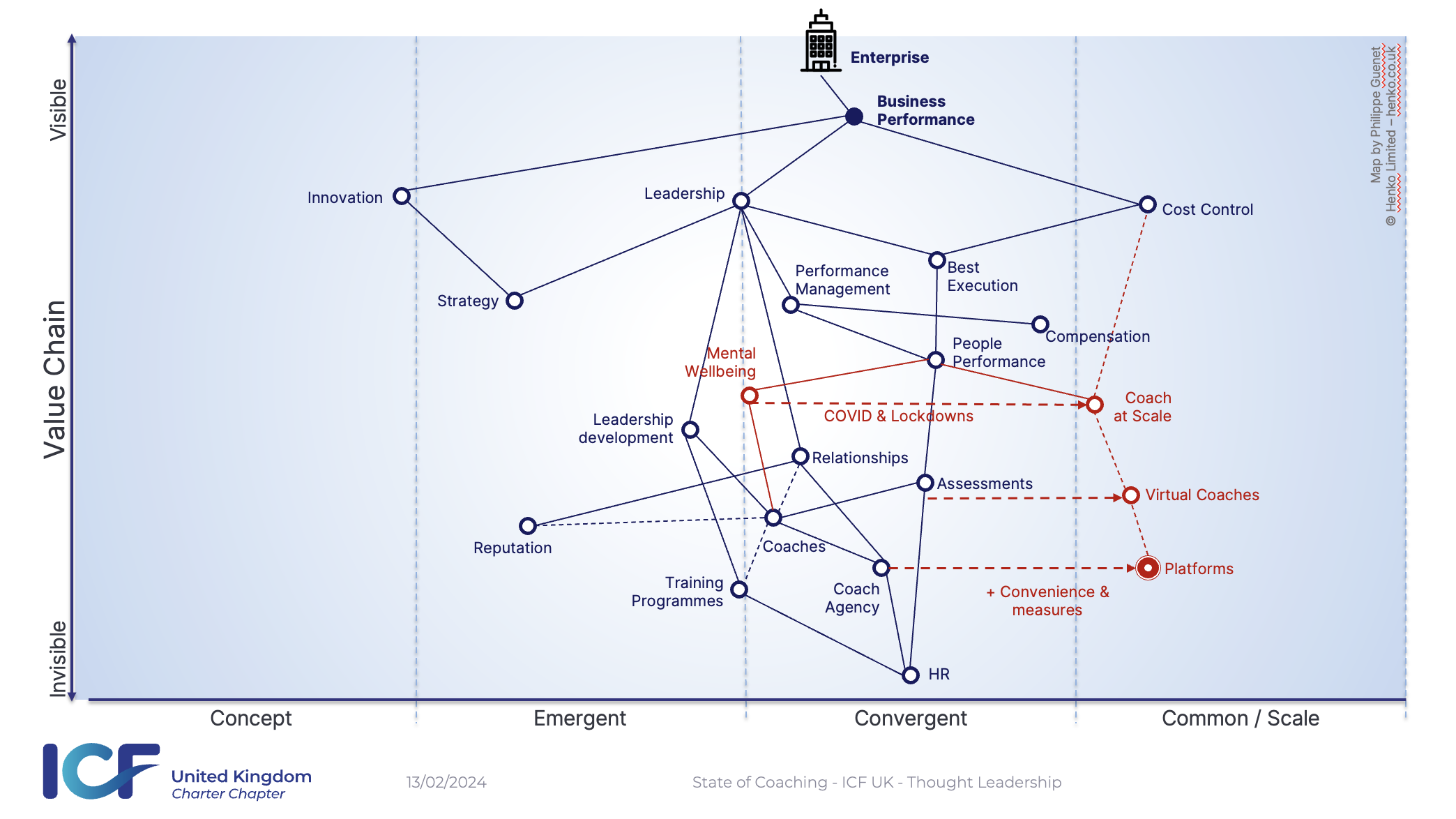
Figure 3 - Current state map of coaching in organisations
Here, we are dealing with a more complicated map in Figure 3:
Here, we are dealing with a more complicated map in Figure 3:
As mentioned at the start of this article, you may work very hard to drive your success. But you are very unlikely to market-make. Understanding the dynamic at play allows making the best decisions in the landscape. When a market is commoditising, you must go along with the ride or find how to play your niche. As I hinted at the start of our Barista example, with consolidation at one end, novel possibilities tend to emerge, and that's what we'll explore further in this article.
One aspect to notice on the map is how individuality still prevails in organisations:
It makes up for systems that are, at best, the sum of the parts. And that's if all the parts nicely add up. Once "healthy competition" takes place and politics plays out, it is often far from being the case. Many parts will cancel out, and some sums will turn negative instead.
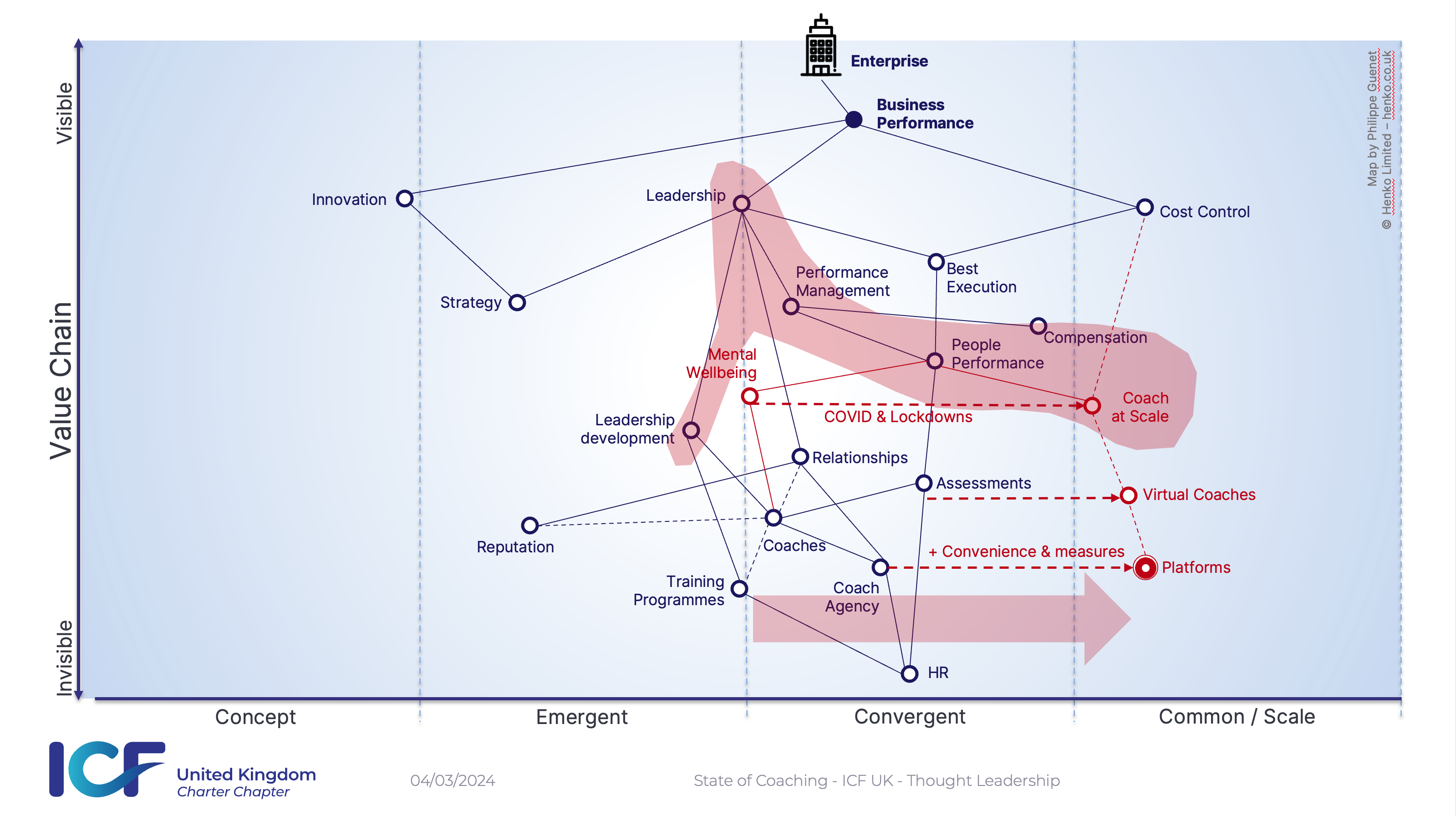
Figure 4 - Signs of Change
It seems paradoxical to the desire from the said organisations for more collaboration. Working on a change programme, I had a discussion with a strategy software asking them to set the accountability at the team level. That was novel for them. Most of their clients would only conceive accountability at the individual level: The famous "there is no accountability unless somebody's head is on the block with it"... Those organisations don't see the irony of commissioning "psychological safety" programmes when thinking that way!... Changing this thinking and developing a new leadership culture is precisely what the change is about.
Digital change has long progressed as a technology acquisition exercise. Many organisations failed to recognise that digital was, in fact, a recalibration of the ways of working. Digital is essentially bringing technology into business value chains and, with it, many more possibilities for disruption and threats for being disrupted.
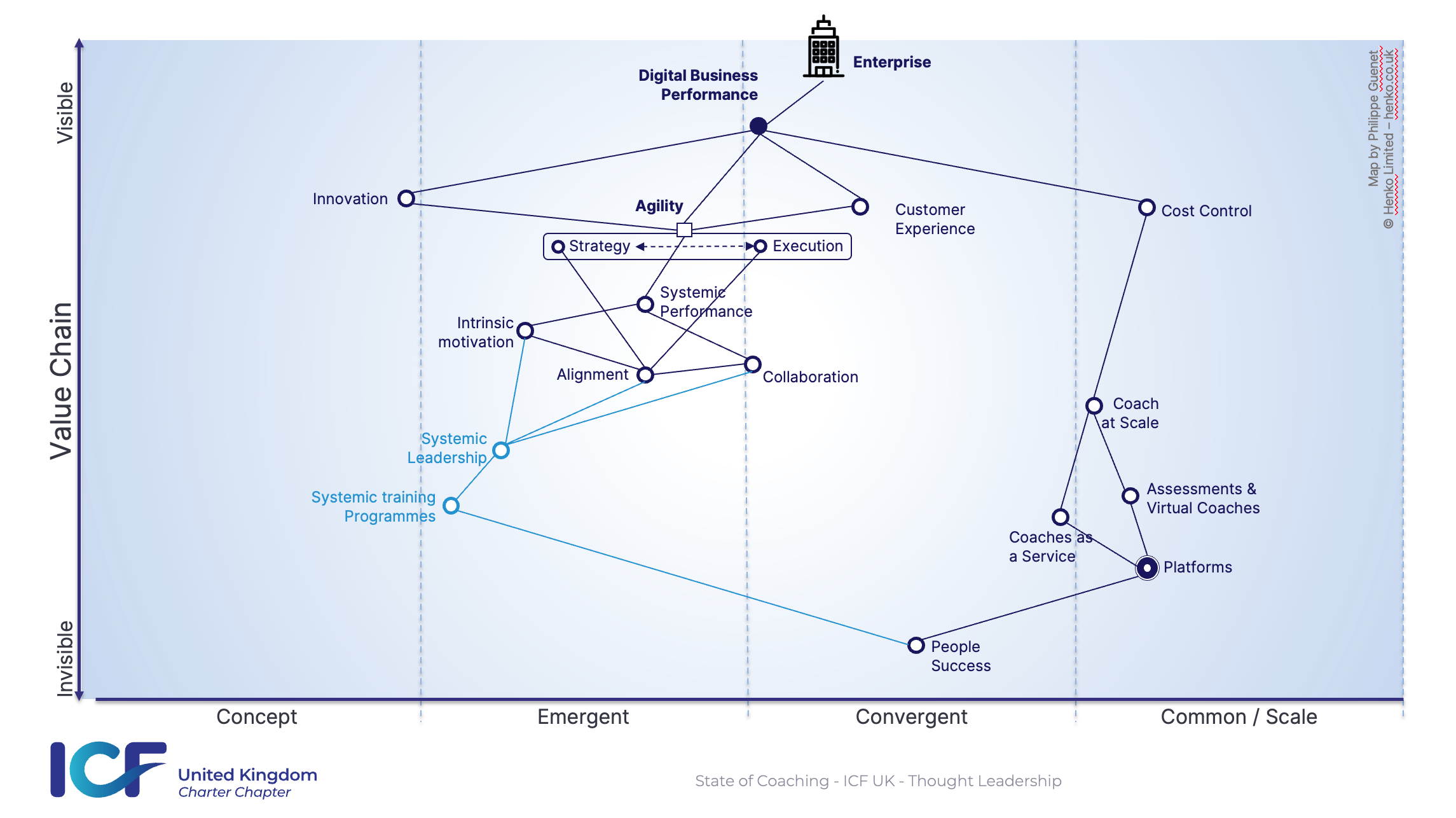
Figure 5 - Map of the new systemic dynamic of organisations
If we now progress to a new map, available in Figure 5, we are looking at a new corporate landscape:
This changing landscape opens new opportunities for coaches, as shown in Figure 6.
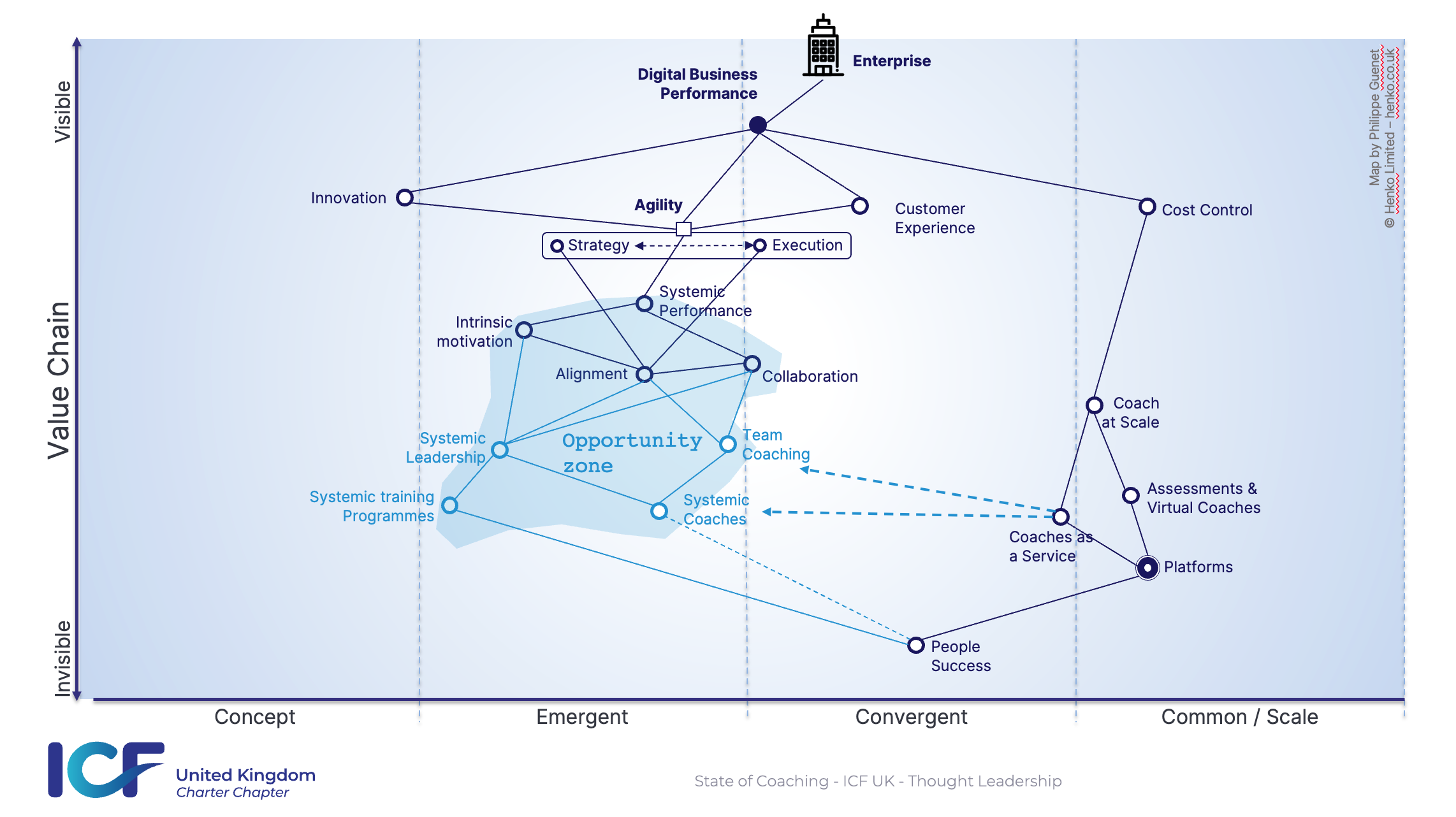
Figure 6 - The emerging systemic opportunity
As organisations progress through their need for alignment, they must rethink how collaboration and coherence are maintained across the system. It is a fine line between providing sufficient focus for the overall system to pull in the same direction yet leaving room for emergent serendipity, which may pave the way to innovation.
The abovementioned challenge of accountability is genuine. It is about bringing accountability into the teams and at a systemic level, requiring a different leadership style: Systemic Leadership. With it, the classic leadership programmes need recalibrating, opening new possibilities for coaches with Systemic Coaching.
ICF now recognises this form of coaching with the ACTC credential: Advanced Certification in Team Coaching. Even if systemic considerations go beyond only coaching teams, this credential is a sign of imminent movement on the map. Organisations have inertia in progressing change, so it will not materialise overnight, but if I were a betting man, that's where I would see the growth in the profession.
It is also a space where the Platforms will struggle to step in, and AI does not have much to go regarding training models. So, this space should offer the potential for some time to come.
As I explained the landscape of the above maps, I am confident you would have objected to some of the views and positions. And that is fine. Simon Wardley, the strategy maps' creator, says that maps are all wrong. They are an imprecise representation of the reality. But they are helpful in navigation and strategy, and that is what matters.
It is also why mapping strategy tends to be a collaborative exercise, which brings diverse perspectives into the mix, reduces biases and offers better insights. I would encourage you to try it for yourself from the references below.
One essential piece of advice to remember is that you do not make the market, especially as an independent. You are an actor in it. With a better understanding of the dynamics in play, you can reflect on where you may play to your best advantage.
Philippe Guenet
ICF PCC and ACTC - ORSC-C
Change and Performance Coach in Business
Director of Thought Leadership in UK ICF


Team Coaching in Complexity and Crisis brings leading thinkers and practitioners together
READ MORE
The reflections shared through this initiative will help share future supervision provision.
READ MORE
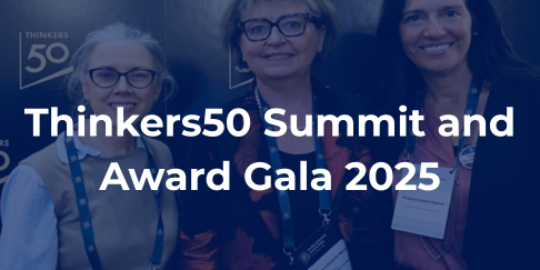
Over two days in early November, as the co-president of UK ICF Chapter, I had the privilege of attending Thinkers50 Summit
READ MORE
It's about noticing what constrains and what expands... shedding what confines, and cultivating what is both grounded and spacious
READ MORE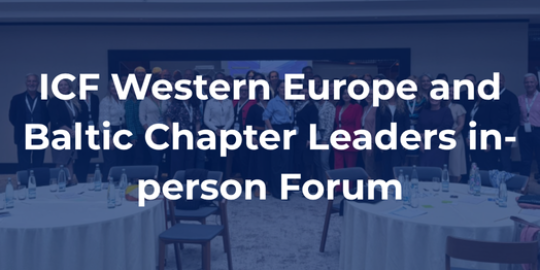
Getting together as ICF chapter leaders is important for building cross-border coaching communities and strengthening our chapter networks across geographies
READ MORE
A day alive with fresh thinking, learning, and connection.
READ MORE
The Coach's Summer Playbook: Grow While You Recharge
READ MORE
The conversation around AI in coaching is heating up.
READ MORE
Uncertainty has a way of stretching us... requiring us to ideate, iterate and adapt at pace, and develop resilience and innovation along the way...
READ MORE
Join Us for the UK ICF Annual General Meeting - Have Your Say
READ MORE
Change is an inevitable part of life, and every transition brings its own set of challenges and opportunities.
READ MORE
As a member of both ICF Global and the UK ICF Chapter, you have direct access to a diverse range of resources.
READ MORE
Reflections from ICF CIO Connection Day 2025
READ MORE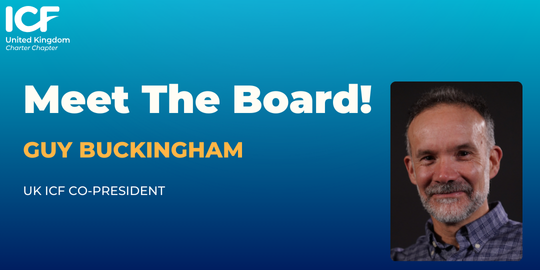
Meet Guy Buckingham, the UK ICF's newly appointed Co-President!
READ MORE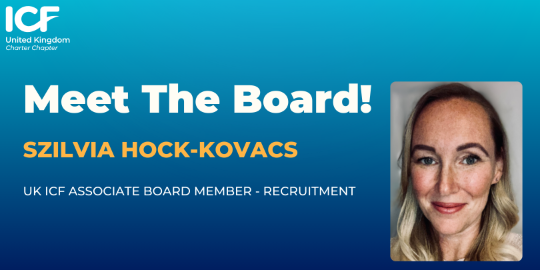
Meet Szilvia Hock-Kovacs, our Associate Board Member for Recruitment!We are excited to introduce our next member this week, Szilvia, who has joined our board as a volunteer focusing on recruitment! H...
READ MORE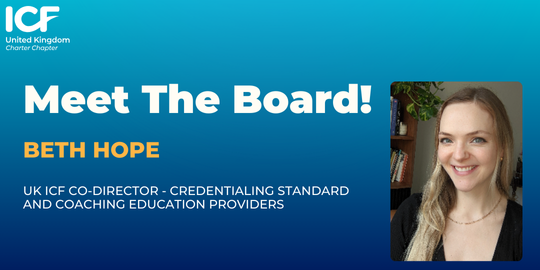
Get to know more about Beth Hope, UK ICF Co-Director for Credentialing Standard and Coaching Education Providers
READ MORE
Coaching at the Heart of Transformation: Navigating Change, Empowering Growth, Shaping the Future
READ MORE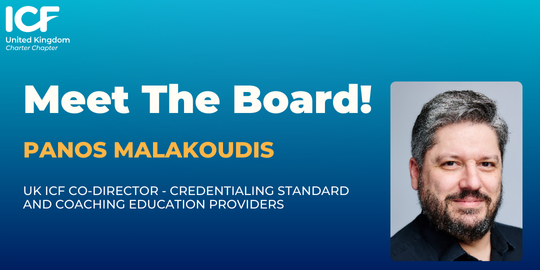
Get to know more about Panos Malakoudis, UK ICF Co-Director for Credentialing Standard and Coaching Education Providers
READ MORE
Coaching, Community, and Care: Supporting Coaches to Make a Difference
READ MORE
Magazine: Wellbeing and self-care for coaches: A summer of rest and self-renewal
READ MORE
Magazine: Beyond ‘walking and talking’ - Coaching in Relationship with Nature
READ MORE
UK ICF Collaborative Partnership with Scientists from the Microbiology Society
READ MORE
Magazine: Using the Spring as a Springboard to Wellness
READ MORE
Magazine: Quick Tips To Look After Yourself As A Coach
READ MORE
Magazine: Is the Future of Coaching Visual?
READ MORE
Magazine: Become an RSA Fellow & benefit from a range of opportunities as a coach
READ MORE
Magazine: How Much Marketing Do You Need to Do?
READ MORE
Magazine: Coaching then and now – a look back over 21 years
READ MORE
Magazine: Creating a new world - 7 key strategies to generate sustainable and long-lasting change
READ MORE
Magazine: Is it time to be meaningfully more human in the age of AI?
READ MORE


Living with uncertainty is a theme that comes up again and again
READ MORE


