


It’s midsummer - a tipping point, the middle of the year, school holidays are imminent. What does that mean for your coaching? Do you thrive on the busy social buzz of July or crave the quiet hibernation of January? And what is the impact of this holiday season on how we develop a sustainable coaching practice?
Like most coaches, I love my work, but that doesn’t mean I can continue doing it without a break. Time and again, we see our clients displaying symptoms of burnout - lethargy and exhaustion, an inability to focus, sleep problems and a sense of overwhelm and loss of resilience. The irony is that even when we are doing work we love, we are not immune to burnout ourselves. In fact, for those working in caring, people-facing professions it is particularly important to set firm systems and boundaries around rest and restorative time. It’s helpful to look at some of the strategies being utilised by charities, where dedication to work can have negative knock on effects on well being and other working relationships. Maurice Wren, of Refugee Council, described this in an interview with Kate Massarella on ‘The challenge of self-care and well-being in the non-profit sector’,as a “recognised syndrome where you spend all your empathy on your clients.” With this in mind, it is vital that well-being, including regular breaks and rest, are part of the organisational culture. Bird researcher Massarella continues ‘Making progress towards wellbeing in the workplace requires continuous reflection and vigilance, and the courage to be honest and admit when things are not going as well as you would like.’
As coaches, we know that self-care is a vital part of supporting ourselves in our professional practice, but it is still worth taking a moment to remind ourselves of this. The first and most obvious big action is to take some time off work. What can be more challenging than committing to this is the process of letting go in order to be away from work. It’s difficult welcoming in different versions of ourselves when we have been working hard for a period of time and building up our identity of achiever or accomplisher. The process of letting go may trigger some familiar critical thinking such as perfectionism - ‘I must have completed everything on my list before I stop’; ‘The house must be tidy before I go on holiday’ - and fears ‘I will lose clients if I take time off’. It can be an uncomfortable process accompanied by some loss and disorientation. However what emerges out of this process is space for different identities - the playful friend, the relaxed parent, the adventurous solo traveler.
The summer is also an opportunity to reflect on work routines and assess how well they are actually serving us. Many coaches and clients with school age children will choose to work a reduced schedule in August and December to accommodate holiday childcare. Having some flexibility in time tables and routines is invaluable in the frenzy of activity before the holidays start, and something for which I am extremely grateful. I was interested to find out how other coaches get creative with their time in order to sustain themselves creatively and connectedly. I heard from coaches working alternate weeks on creative businesses, the clear boundaries and structure supporting them both creatively and in their coaching. Others such as Sas Petherick manage client coaching and writing engagements in a monthly cycle of three weeks coaching, one-week content creation, including writing and podcast recording. This clear division of tasks provides clarity and enables her to sustain both her coaching and the creative life supporting it.
On a day to day level, a break from the usual routine is a further opportunity to explore where and when we are most productive and energetic. It is freeing to have this information to hand as we plan our work schedules, knowing that we have carved out time for our most challenging or creative work. US tech designers Knapp and Zeratsky have written extensively on this in their book ‘Make Time’, which includes their tricks for setting up structures within the day to support time for laser-focus on a single daily highlight. Yet even with these structures in place, it can still be a challenge to maintain focus. In these instances, they suggest ‘Don’t beat yourself up. You might need a rest day. Energy - especially creative energy - can fluctuate, and sometimes you need time to replenish it. Most of us can’t take the day off work whenever we want, but you can give yourself permission to take it easy. Try…switching to a joyful highlight that’ll help you recharge.’
Perhaps the most important shift is to recognise that we have the opportunity to do things differently - to act in a way that feels right for us today rather than what we have always done. As coaches, we are naturally well rehearsed in self-reflection. This summer, take a break as an invitation to ask - what of this moment do I want more of in my work life? Is there an opportunity for greater variety, more or less routine, daily moments of calm? What do I need to have in place to ensure I continue having an impact in the world?
Writing for the UK ICF Chapter
Intuitive and integrative, Helen is a coach specializing in career transitions. She is an associate for Sanctus, supporting mental health in the workplace. She is fascinated by organisational impact, and is particularly interested in supporting innovative emerging leaders in the tech sector. Helen’s writing offers a fresh perspective on coaching in the UK today, and draws on her experience of coaching in the workplace, alongside the broader experience of the day to day workings of being a coach. Informative and reflective, Helen’s writing explores the landscape of coaching today, and reflect on how ICF can support coaches in raising standards while democratizing the coaching industry.



Are you making the most of your ICF membership?
READ MORE
We have a really exciting few months ahead for team coaching in the UK
READ MORE
From your feedback to our priorities. See what's changing after the 2026 AGM
READ MORE
Attending the ICF Converge Summit in Paris was an inspiring and energising experience.
READ MORE
Belonging Beanbags, Member Spotlights, and more. Meet the community making inclusion personal
READ MORE
With coaching often feeling solitary, the group provides valuable opportunities to exchange ideas, build connections and deepen coaching practice.
READ MORE
One of the strengths of the UK ICF community is the opportunity to connect with peers who share similar interests, areas of practice, and professional questions
READ MORE
As a UK Chapter member of the ICF, you help bring the global coaching community to life.
READ MORE
The UK ICF is dedicated to empowering professional coaches across the UK, fostering a vibrant, supportive professional community where members can truly learn, grow, and belong.
READ MORE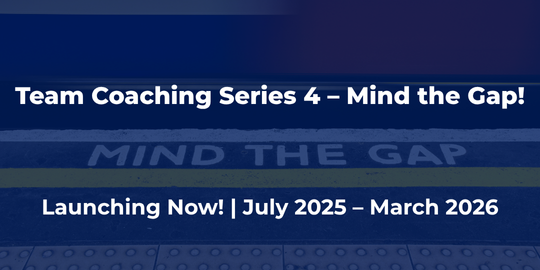
Join team coaching specialists, Jeremy Sweeney, Nathalie McAree and Lucy Widdowson as we work together to 'Mind the Gap!'
READ MORE

Discounted membership of the RSA“The RSA has been at the forefront of significant social impact for over 260 years. Our proven change process, rigorous research, innovative ideas platforms and dive...
READ MORE


